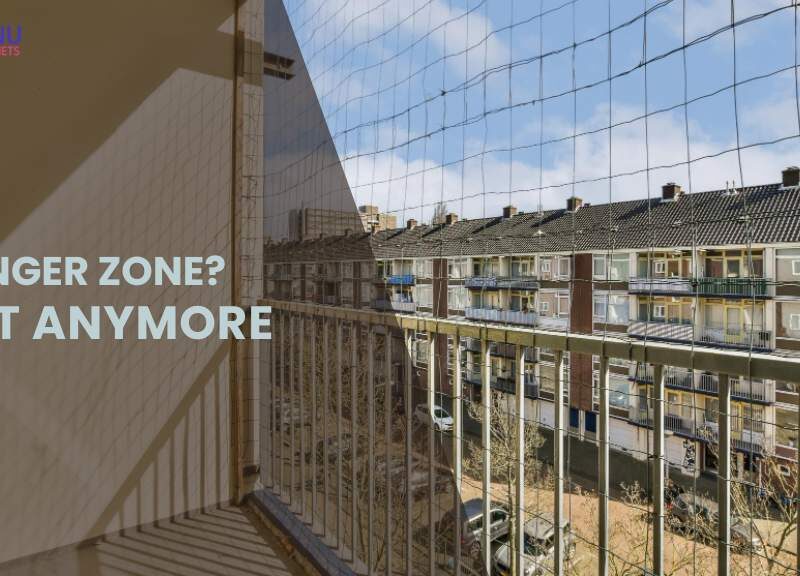
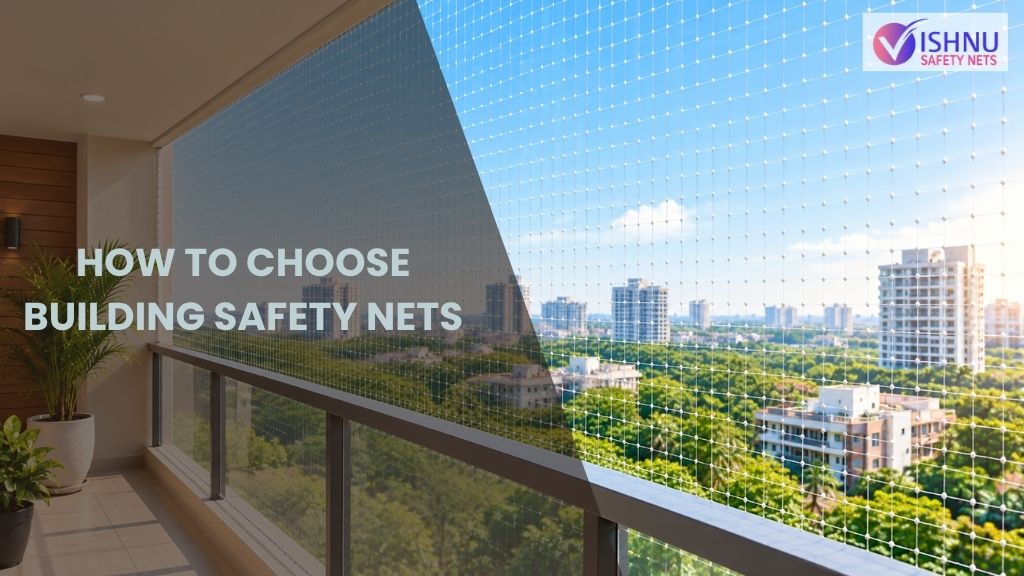
Here’s the thing about apartment living — nobody warns you how many “wait, that’s dangerous” moments you’ll have once you actually move in. Kid leaning too far over the balcony rail. Pigeon poop everywhere on the grille. A cricket ball from downstairs putting a crack in your window. It’s a lot. That’s basically why building safety nets exist, and honestly, once you start looking into them, the number of options out there can feel a bit overwhelming. Let’s just simplify it.
Why Building Safety Nets Matter More Than You Think
Nobody thinks about safety until the day something almost goes wrong. A missing rail, a window left open a little too long, a toddler who’s suddenly faster than you expected — these things happen in literally seconds, not minutes. A good set of building safety nets just quietly handles all of that in the background, and you barely even notice they’re there. No blocked view, no stuffy balcony, nothing.
We’ve put up nets in hundreds of homes across Chennai at Vishnu Safety Nets, and if there’s one line we hear on repeat, it’s “I really should’ve done this earlier.” Every single time. Prevention’s just cheaper than regret, in every sense of the word.
Types of Safety Nets You Should Know About
Before jumping into how to choose safety nets, it’s worth knowing what’s even available. There’s more variety than most people expect.
| Net Type | Best For | Material Options |
| Balcony safety nets | Open balconies, terraces | Nylon, HDPE |
| High-rise building safety nets | Tall apartments, towers | HDPE, UV-resistant |
| Apartment safety nets | Windows, balconies, grilles | Nylon |
| Anti-fall safety nets | Children, pets, elderly safety | HDPE, Nylon |
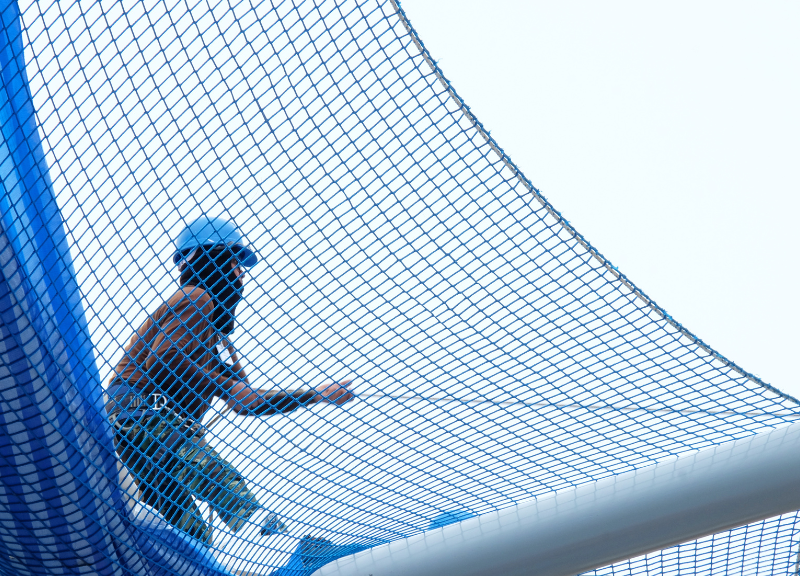
| Construction safety nets | Building sites, scaffolding | HDPE |
Each one’s built for a slightly different job, so the first step is really just matching the net to what you actually need — not just grabbing whatever’s cheapest.
Factors to Consider Before You Choose
This is usually where people get stuck, so let’s break down how to choose safety nets without overthinking it.
- Height matters
- Material quality
- UV resistance
- Mesh tightness
- Installation expertise
- Local weather conditions
Chennai heat isn’t a joke, by the way. A net that’s not UV-resistant will start looking tired and brittle within a year, maybe less, and then you’re basically back to square one.
HDPE vs Nylon: Which One Wins?
This is the question we get asked more than anything else, hands down. Both HDPE safety nets and nylon safety nets do their job well, but they’re not really interchangeable. Here’s how they stack up.
| Feature | HDPE Safety Nets | Nylon Safety Nets |
| Durability | Very high | Moderate to high |
| UV Resistance | Excellent | Good |
| Flexibility | Slightly stiff | More flexible |
| Common Use | High-rise, construction | Balcony, apartment |
| Lifespan | 5-7 years | 3-5 years |
If your balcony’s on the 10th floor and gets baked in the sun all day, go with HDPE safety nets — it’s just the smarter long-term call. Lower floor, more shade? Nylon does the job just fine and costs a bit less too.
Where Do You Actually Need Safety Nets?
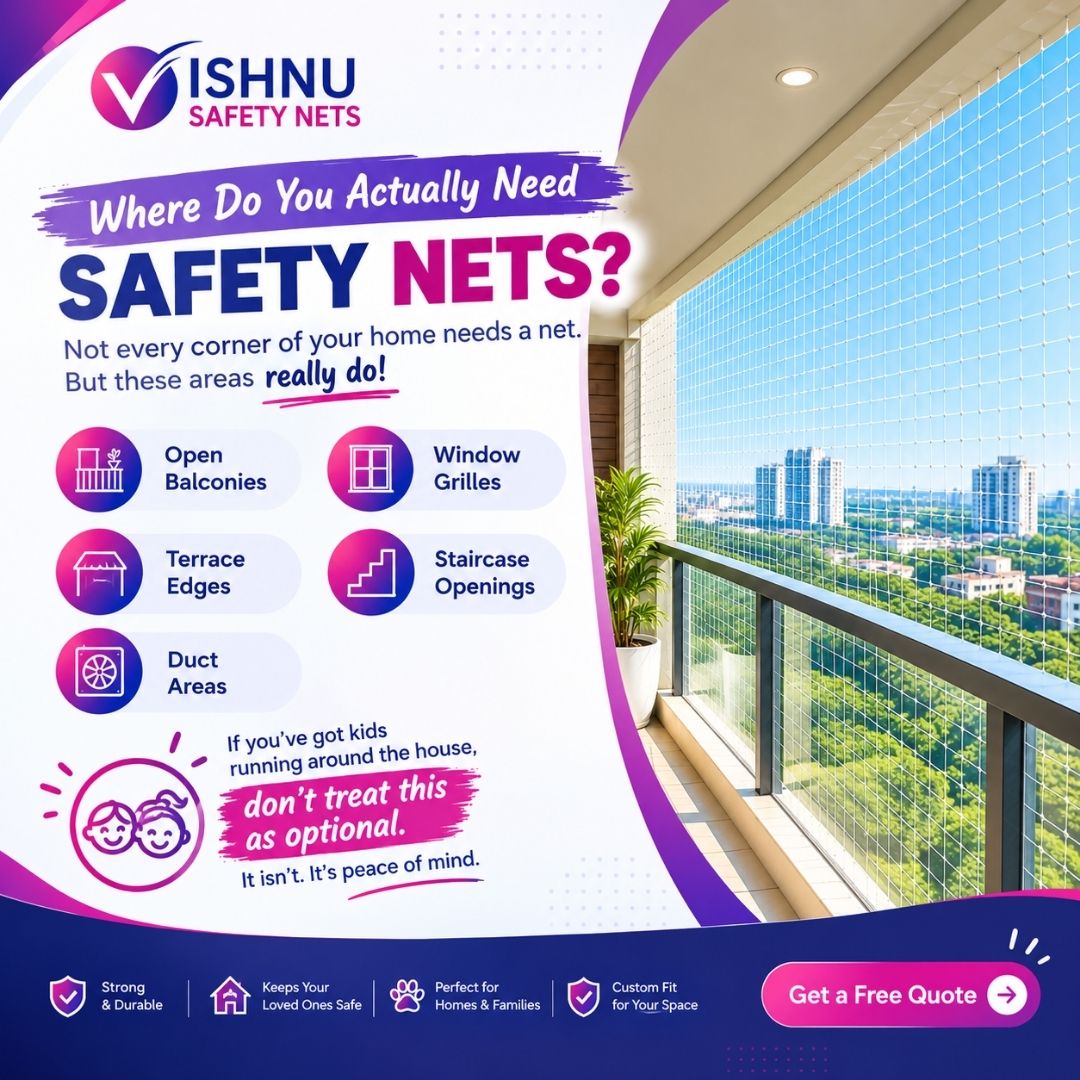
Let’s be practical for a second — not every corner of your home needs a net. Here’s where they actually matter:
- Open balconies
- Window grilles
- Terrace edges
- Staircase openings
- Duct areas
And if you’ve got kids running around the house, please don’t treat this as optional. It isn’t. This is honestly the exact reason we end up doing so many Children Safety Nets In Chennai jobs every single month — parents realize this stuff matters after one too many close calls.
Don’t Forget the Little Things That Cause Big Problems
One thing people almost never plan for until it’s a problem: pigeons. Sounds a little silly to write down, but ask anyone who’s dealt with a balcony full of them and they won’t be laughing.
Pigeon droppings mess up your balcony flooring, they corrode your AC units over time, and let’s be honest, it just looks bad when guests come over. The nets built for this are lightweight but woven tight enough that birds can’t get through. We handle a steady flow of Anti Bird Nets Chennai requests, mostly from folks whose balconies face open terraces or neighbouring rooftops.
Trending Right Now in Safety Net Installation
Things are shifting a bit in this space, worth knowing about:
- More UV-resistant demand
- Rising apartment installations
- Custom mesh sizing
- Eco-friendly net materials
- Faster on-site installation
We’re seeing more builders and RWAs across Chennai treat nets as a standard requirement now, not some optional add-on people request later. That shift alone says a lot about how seriously this is being taken.
Quick Tips Before You Book an Installation
A few things we tell every customer, without fail, before they finalize anything:
- Check mesh strength
- Ask for warranty
- Confirm installation experience
- Avoid cheap alternatives
- Inspect nets yearly
Here’s the honest truth — even the best HDPE safety nets or nylon safety nets money can buy will fail if the anchoring’s sloppy. Installation quality matters more than which brand’s name is on the packaging. We’ve seen it go wrong both ways.
How Vishnu Safety Nets Helps
At this point we’ve been doing this long enough in Chennai to know every building’s a little different — different floor heights, different wind patterns, different family situations. Whether it’s one balcony or an entire apartment complex, we go look at the space first before recommending anything. No guessing games, no pushing whatever’s cheapest just to close a sale.
If you’re looking around for dependable Safety Nets in Chennai, our team covers the whole process — site visit, material selection, right through to final installation — while making sure it actually looks decent too, not just functional.
Quick FAQs
Q: How long do building safety nets last?
Somewhere between 3 to 7 years, really depends on the material and how much sun it takes. HDPE tends to go the distance a little longer than nylon in most Chennai homes.
Q: Are anti-fall safety nets safe for toddlers?
Yes, as long as the mesh spacing’s tight and it’s installed properly. Loose anchoring or wide gaps defeat the whole purpose, so installation quality matters just as much as the net itself.
Q: Can safety nets be removed and reinstalled?
Yep, most can come off temporarily for cleaning or repainting work. Just make sure whoever reinstalls them checks the anchoring again instead of just hanging it back up.
Q: Do safety nets block ventilation?
Not really — good quality nets still let air through just fine. The mesh is designed to be breathable, so your balcony won’t feel closed off or stuffy.
Q: Is HDPE better than nylon for balconies?
For sun-heavy balconies, yes. Shaded ones, nylon holds up just as well, and it’s usually a bit lighter on the pocket too.
Final Thoughts
At the end of the day, picking the right net isn’t just some checkbox exercise — it’s the kind of thing that gives you actual peace of mind, every single day, without you even thinking about it. Whether it’s kids, pets, windows, or just keeping pigeons off your balcony for good, the right building safety nets genuinely make a difference.
So take your time with it, compare your material options properly, and don’t cut corners on installation. It’s a decision you make once, and it protects your family for years after.